


Choosing a hybrid smartwatch usually means you are trying to solve one problem: you want health tracking and notifications, but you do not want a bright screen on your wrist or a watch that dies every night.
In simple terms, a smartwatch is a screen-first device. A hybrid smartwatch is a watch-first device. That one design decision changes everything from battery life to outdoor readability, which is why many people end up preferring a hybrid as an everyday outdoor watch, and even how often you feel pulled into checking your wrist.
What Is a Hybrid Smartwatch and How Is It Different from a Smartwatch?
A hybrid smartwatch looks and works like a traditional analog watch, with real hands and a real dial, but it quietly tracks things like steps, sleep, and heart rate using sensors inside the case.
It syncs your data to an app on your phone. Most of the “smart” work happens in the background.
A standard smartwatch is closer to a small phone on your wrist. Its main interface is a screen. It can do more, but it also asks more from you. You charge it more often. You look at it more often. And in many cases, you end up paying for features you rarely use.
The most practical way to think about the difference is this. A smartwatch wants your attention. A hybrid smartwatch protects your attention while still giving you useful data.
Hybrid Smartwatch vs Smartwatch: What You Gain and What You Give Up
People often ask which one is “better.” That is the wrong question. The right question is what experience you want on your wrist. A smartwatch is better when you truly need apps, maps, calls, and rich on-screen information.
A hybrid smartwatch is better when you want the basics done well, with less charging and fewer distractions.
| Decision Factor | Smartwatch | Hybrid Smartwatch |
|---|---|---|
| What it is best at | Apps, rich on-screen info, quick replies, deeper controls | Time-first clarity, background tracking, low-maintenance daily wear |
| What you gain | More features and more screen-based tools | Weeks of battery, simple use, classic look, less screen time |
| What you give up | More charging and more screen checking | Fewer apps and less on-watch interaction |
| Best fit for | People who will actually use the screen as a tool multiple times a day | People who want tracking and notifications without living on a wrist screen |
If your daily needs are mainly steps, sleep, heart rate trends, and knowing whether a message is important, a hybrid smartwatch is often the more sensible choice. If you need full apps and constant on-watch interaction, a standard smartwatch will feel more powerful.
The Sunlight Factor: Why Watch Hands Are Easier Outdoors

Bright sunlight is where screen-first devices can become annoying. Even good smartwatch displays can look dim or washed out in harsh daylight, especially if you do not want the brightness cranked up all day. That often leads to the “shade it with your other hand” habit just to read the time.
A hybrid smartwatch avoids that fight. Real hands and a real dial are naturally readable outdoors. In practical use, this matters for anyone who is outside a lot, because checking the time should be instant, not a mini interaction with a screen.
Battery Life: Why Hybrid Smartwatches Last Longer
Battery life is the most common reason people switch away from a standard smartwatch.
A bright, frequently waking screen is a power drain. So are constant animations, rich notifications, and app behavior that keeps the device active.
A hybrid smartwatch lasts longer for very specific engineering reasons:
- It does not power a large color screen all day.
- Its electronics wake only when needed, instead of staying in an always-on, interactive mode.
- Its hands are moved by tiny motors that sip power compared with running a screen as the main interface.
That is why many hybrid models can run for weeks, and some can go even longer depending on features and usage. For travel, camping, or simply not wanting another daily charger, this is the difference you feel immediately.
Sleep Tracking That Actually Happens: No Nightly Charging Problem
Sleep tracking sounds simple until battery life gets in the way. Many people charge their smartwatch at night because it is the easiest time to remember.
The problem is obvious. If the watch is on the charger, it is not on your body, and the data becomes incomplete.
A hybrid smartwatch removes that friction. When you can wear the same watch through the day and through the night without planning your charging schedule around it, your sleep and heart rate trends become more consistent. You are not “missing nights” just because the battery needed attention.
Daily Use: Notifications, Tracking, and Less Wrist Distraction
Here is the quiet truth that shows up after the first month. Most people do not use 80 percent of smartwatch features. They care about a few essentials, like steps, basic health tracking, and knowing whether a call or message is worth checking.
A hybrid smartwatch is built around that reality. It delivers notifications without turning your wrist into another screen you keep feeding. It tracks quietly. It keeps the time readable. And it helps you stay connected without encouraging constant checking.
Who Should Choose a Hybrid Smartwatch?
A hybrid smartwatch is a strong choice when your priority is a watch that fits real life, not a device that demands daily management. It tends to fit you well if any of the points below feel familiar.
- You want health tracking and notifications, but you do not want to stare at a screen on your wrist.
- You are tired of charging a watch every night or every other day.
- You care about a classic, professional look that works in normal settings.
- You want more consistent sleep tracking because the watch stays on your wrist at night.
A standard smartwatch is usually the better pick if you truly want apps, rich on-screen controls, quick replies, maps, calls, and frequent interaction directly on the watch.
If You Want the Hybrid Look but Still Want a Full Screen
Some people like the hybrid smartwatch idea, but they still want a full touchscreen for reading messages and using modern features.
That is a real and common preference. In that case, a hybrid-style smartwatch can be a practical middle option. It keeps the classic round watch look and a more traditional feel, while still giving you a full digital display.
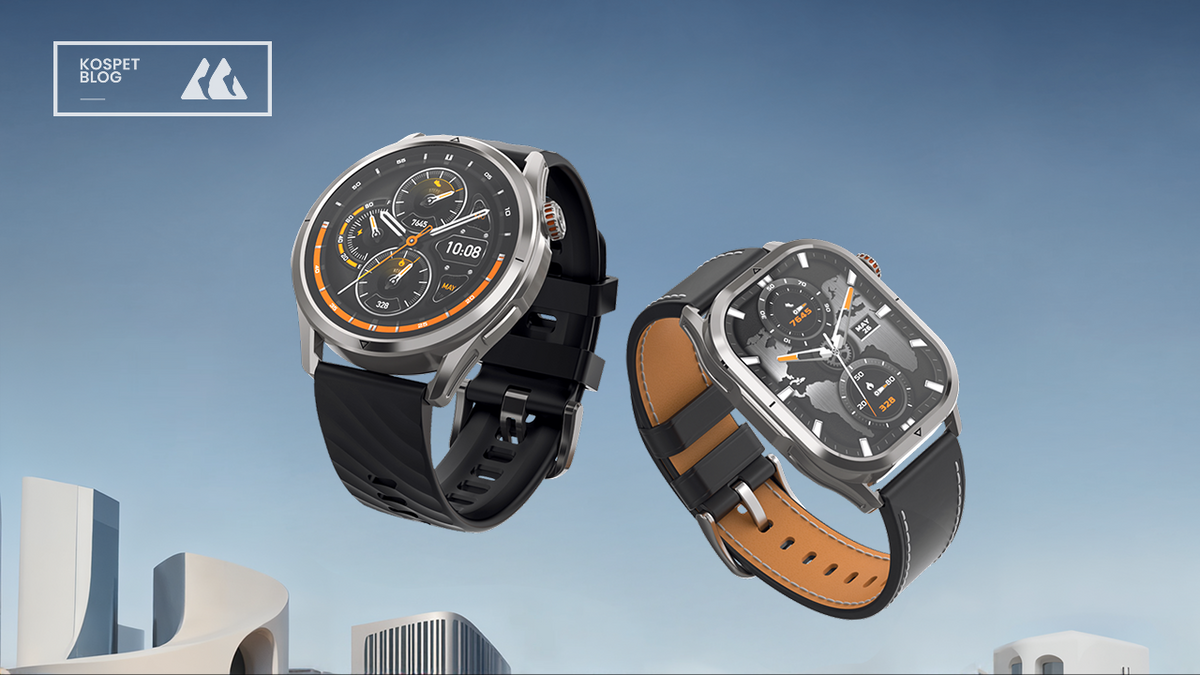
In the KOSPET lineup, the MAGIC R10 and MAGIC P10 are built for that “classic look, modern screen” preference. They are not true hybrid smartwatches because they do not use physical hands, but they are designed to avoid the toy-like look many people dislike.
The MAGIC R10 leans into a diver-watch-inspired design for a tougher wrist presence. The MAGIC P10 goes slimmer for people who want a cleaner, lighter look while keeping strong smartwatch functionality.
Is a Hybrid Smartwatch a Compromise or a Better Fit?
Calling a hybrid smartwatch a compromise misses the point. It is not trying to do everything. It is trying to do the right things well. For many people, that is not “less.” It is smarter focus.
If you live on apps and want deep control on your wrist, a standard smartwatch is the right tool. But if you want the daily benefits most people actually use, with longer battery life and less distraction, a hybrid smartwatch is often the better fit.
Conclusion
Choose a hybrid smartwatch if you want a watch-first experience, longer battery life, better day-to-day simplicity, and health tracking that does not collapse because you had to charge at night. Choose a standard smartwatch if you truly want a screen-first device with apps and frequent on-watch interaction.
FAQs
Is a hybrid smartwatch good for fitness tracking?
Yes, a hybrid smartwatch is good for basic fitness tracking like steps, sleep, and heart rate trends. It is not designed for advanced workout metrics or on-watch coaching.
Do hybrid smartwatches need charging every day?
No, most hybrid smartwatches last weeks on a single charge because they do not rely on a bright screen as the main interface.
Can a hybrid smartwatch show notifications?
Yes, a hybrid smartwatch can show notifications using vibration or subtle indicators, letting you know something is important without needing a full-screen interaction.



Leave a comment
This site is protected by hCaptcha and the hCaptcha Privacy Policy and Terms of Service apply.