


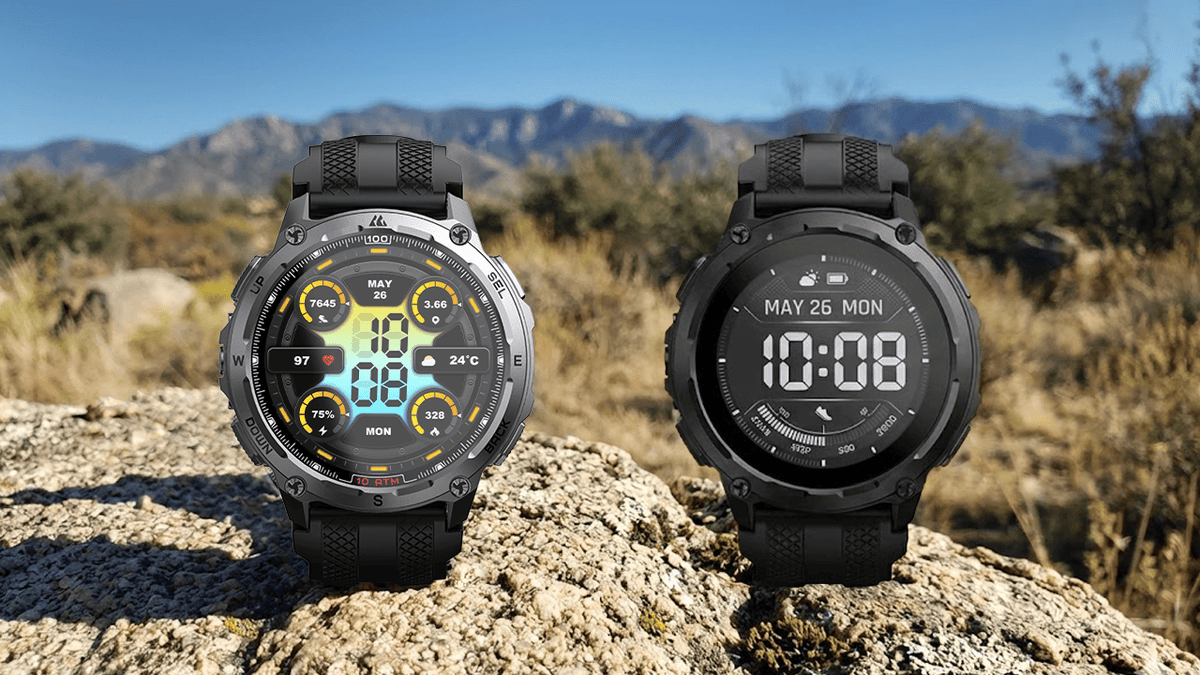
The choice between AMOLED and MIP technology depends on whether you value extreme battery life or high visual clarity. For long distance hikers and endurance athletes, the MIP screen is the better tool.
For city runners and people who need detailed color maps, the AMOLED screen is the superior option. This article explains the technical differences to help you choose the right outdoor watch for your specific outdoor activities.
The Science of Sunlight Readability: Reflective vs. Emissive
MIP displays are the gold standard for visibility in direct sunlight because they use ambient light as their main power source for the screen.
These screens are called Memory in Pixel or transflective displays. They work by reflecting the light from the sun back to your eyes. Because of this physical design, the screen becomes clearer when the sun shines brighter. This is a vital feature for people who spend long hours in open fields or on high mountains.
AMOLED screens work in a completely different way because they are emissive. This means every pixel produces its own light. To stay visible under the sun, an AMOLED watch must increase its brightness to 1000 nits or more.
While this brightness is impressive, the screen is constantly fighting the sun. Users often see reflections or glare on an AMOLED surface that do not exist on a MIP screen. For athletes who need to check data in a split second during a midday run, the consistent and natural look of MIP is much more reliable.
Key benefits of MIP for sunlight:
- Sunlight acts as a free backlight for the screen.
- The display stays perfectly clear without using extra battery power.
- There is no glare or mirror effect when looking at the watch from an angle.
- Eyes feel less tired after looking at the screen for many hours outdoors.
Battery Life in the Wild: Power Consumption Comparison
MIP displays offer significantly longer battery life in GPS modes because they require almost no power to show a static image.
The technology inside a MIP screen allows a pixel to stay in its current state without a constant flow of electricity. When you look at your heart rate or the time, the screen only uses power at the exact moment the numbers change. Because of this efficiency, many outdoor watches with MIP screens can last for twenty or thirty days on a single charge.
AMOLED screens are much more demanding because they require constant power to keep the pixels glowing. Even when the image on the screen does not move, the watch is using electricity to maintain the light.
Turning on the Always on Display setting causes the battery to drain twice as fast. This makes AMOLED a risky choice for people on multi day backpacking trips where there are no wall outlets. For those who prioritize a watch that is always ready, MIP technology is the clear winner in energy efficiency.
Battery facts for outdoor watches:
- MIP watches often provide over 60 hours of continuous GPS tracking.
- AMOLED watches usually drop to 20 or 30 hours of GPS tracking.
- Charging a MIP watch once a month is common for many users.
- Charging an AMOLED watch every two or three days is standard for active users.
User Experience and Navigation: Maps and Data Clarity
AMOLED screens provide a major safety advantage for navigation because their high resolution shows small map details clearly. A standard AMOLED watch has a resolution of about 450 by 450 pixels.
This high density allows the watch to display tiny streams, thin contour lines, and narrow trails in bright colors. When you reach a confusing intersection in the forest, the ability to see a sharp and colorful map helps you make the right decision quickly.
MIP screens have much lower resolution, which is usually around 260 by 260 pixels. This lower count makes the text and lines look jagged or blocky. The colors are also very limited.
A MIP screen can only show 64 colors, while an AMOLED screen can show millions of colors. This lack of color depth makes it harder to distinguish between a road and a trail on a small screen. For people who rely on their watch to lead them through new territory, the visual detail of AMOLED is a massive benefit.
Why AMOLED wins for navigation:
- Higher pixel density makes small text easier to read.
- Vibrant colors help you see the difference between water, forest, and paths.
- Faster screen refresh rates make moving the map feel smooth and natural.
- High contrast makes it easy to read data in low light environments like deep woods.
Durability and Reliability for Tough Environments
MIP displays are more reliable in extreme weather conditions because they use a simple and stable structure. Outdoor watches must survive very hot summers and freezing winters. MIP technology uses liquid crystals that have been used in rugged gear for many years.
These materials do not change or break down easily when exposed to the sun for years. There is also no risk of a permanent ghost image on the screen, which is a common problem for other types of displays.
AMOLED screens use organic materials to create light. These organic compounds are sensitive to heat and long term use. When an AMOLED watch stays in a hot environment for too long, the materials inside the screen can age faster.
This can lead to a shorter lifespan for the watch compared to a MIP model. While modern AMOLED watches are very strong, the basic physics of the screen means they are slightly more fragile over many years of heavy use. For a person who wants one watch to last for a decade of abuse, the MIP screen is the safer investment.
Durability highlights:
- MIP screens do not suffer from permanent image retention.
- The screen stays responsive even in temperatures below freezing.
- There are fewer organic parts to degrade over time.
- MIP watches stay cooler because the screen does not generate its own heat.
Conclusion
Choosing between AMOLED and MIP technology involves a clear trade off between visual quality and power efficiency. MIP screens are the best choice for long distance athletes and hikers who need extreme battery life and perfect sunlight visibility.
FAQs
Which display is better for a 100 mile race?
MIP displays are the better choice for long races because they provide enough battery life to track your GPS for several days without a charge.
Can AMOLED screens get permanent damage from high brightness?
AMOLED screens use organic materials that can age or burn in after many years of high brightness use while MIP screens are immune to this problem.
Is MIP technology easier to read at night?
MIP screens require a built in backlight for night use while AMOLED pixels glow naturally to provide perfect contrast in total darkness.


Leave a comment
This site is protected by hCaptcha and the hCaptcha Privacy Policy and Terms of Service apply.