


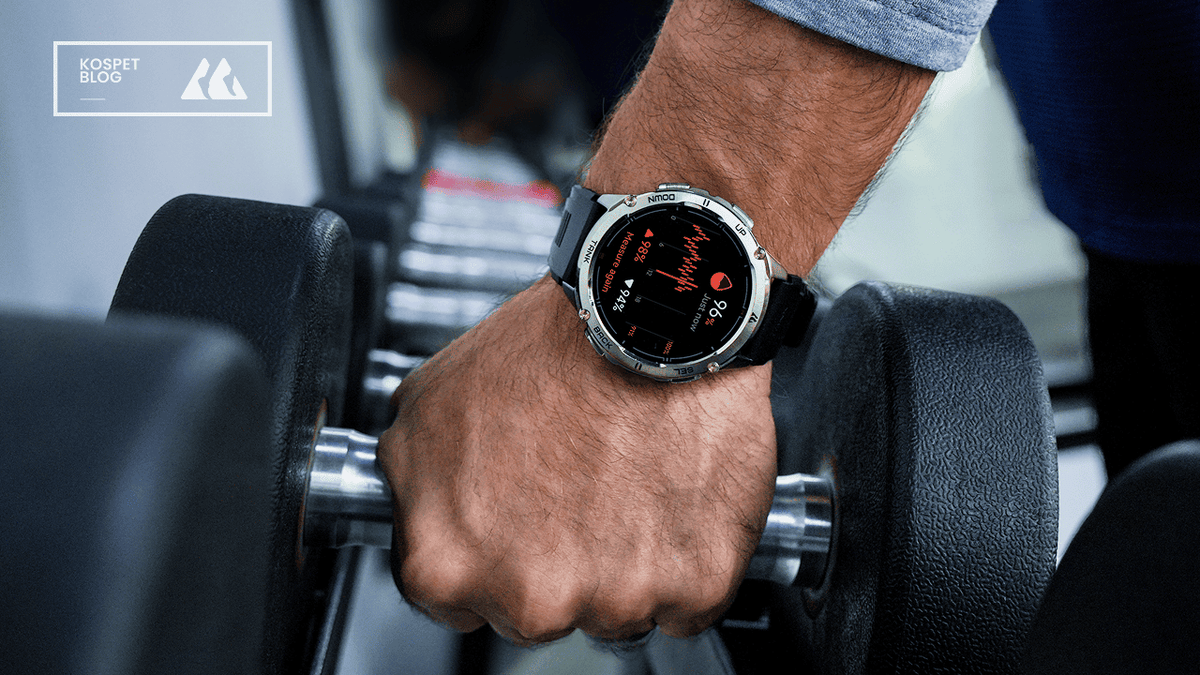
Most modern sports watches are 90% to 95% accurate during steady exercises like running or walking, but this precision typically drops to 70% or 80% during high-intensity interval training (HIIT).
While these devices provide a convenient way to track daily health, they rely on light sensors that cannot match the electrical precision of medical-grade ECG (electrocardiogram) equipment found in UK hospitals.
Understanding How Your Sports Watch Tracks Heart Rate
Every sports watch uses a method called Photoplethysmography (PPG). This involves small green LED lights on the back of the watch that shine into the skin to detect blood volume changes.
When the heart beats, blood flow in the wrist increases, which causes more green light to be absorbed. Between beats, less light is absorbed. The watch sensors measure these fluctuations hundreds of times per second to calculate a heart rate.
This method requires a constant, firm seal against the skin. Any gap allows outside light to enter the sensor, which confuses the calculations and results in an incorrect reading.
Steady Running vs. High-Intensity Workouts: The Accuracy Gap
The type of movement performed directly affects how well a sports watch tracks a pulse. Data from sports science studies show that for steady-state activities like jogging at a constant pace, most consumer watches have a Mean Absolute Percentage Error (MAPE) of less than 5%. In these conditions, blood flows in a predictable, rhythmic pattern that the sensor easily identifies.
In contrast, during HIIT or weightlifting, accuracy often falls by 15% to 20%. Rapid changes in heart rate create a "lag" in optical sensors, as the software takes time to process sudden spikes.
Furthermore, explosive movements like swinging a kettlebell or sprinting cause the watch to shift physically on the arm, creating "motion artifacts" that result in temporary data loss or incorrect heart rate numbers.
Recommendation for Reliable Heart Rate Tracking

For users who need more dependable heart rate data during outdoor activities, the KOSPET TANK T4 is a high-performance choice. This sports watch includes specific design features that directly solve common accuracy problems:
- Wide-Area Optical Sensor: The T4 uses a larger sensor array that covers more of the wrist surface to capture a stronger blood flow signal and prevent data "drops" when the watch moves.
- Weight-Balanced Steel Frame: The 316L stainless steel body provides the necessary weight to keep the watch pressed firmly against the skin, stopping the device from bouncing during runs.
- Grip-Texture Silicone Strap: This specialised strap offers a slip-proof fit that maintains a constant seal, ensuring that external sunlight does not interfere with the heart rate calculation.
- Pulse-Focus Algorithms: The internal hardware is programmed to identify and remove vibrations caused by footsteps, ensuring the watch displays your actual heart rate (BPM) rather than your running rhythm.
Key Factors That Affect the Accuracy of Optical Heart Rate Sensors

Accuracy depends heavily on how a user wears the device. A sports watch placed directly over the wrist bone often produces "cadence lock," where the watch accidentally counts the vibrations of a person's footsteps instead of their heartbeat.
Moving the watch two centimetres higher up the forearm, away from the bone, provides a flatter surface with better blood flow for the sensor.
Additionally, external factors like cold British mornings cause blood vessels in the skin to narrow (vasoconstriction). This reduces the signal strength available to the watch. Most users see more consistent data after ten minutes of exercise once the body warms up and blood flow to the skin increases.
Sports Watch vs. Chest Strap: Which Fitness Tracker Wins?
A sports watch measures blood volume pulses at the wrist, while a chest strap measures the heart’s actual electrical activity. Because the wrist is far from the heart, there is a natural delay of 5 to 10 seconds before the blood pulse reaches the watch sensor.
Chest straps provide millisecond-accurate data because they detect the heart's electrical firing, similar to an NHS EKG test. For athletes performing sprint intervals where heart rate changes every few seconds, the chest strap is the superior tool.
However, for general fitness tracking and monitoring long-term health trends, the convenience of a sports watch offers sufficient precision for the average user.
Conclusion
To ensure the most credible data, keep the sensor clean and the strap tight. Wearing the watch two centimetres above the wrist bone provides the most stable connection for tracking long-term fitness progress.
FAQs
Why does my heart rate jump suddenly at the start of a run?
This is usually "cadence lock," where the watch confuses your step rate with your pulse. Tightening the strap or moving the watch higher up the arm usually fixes this.
Does skin colour or arm hair affect accuracy?
Yes. Darker skin or thick hair can absorb more green light, making it harder for the sensor to read blood flow. Ensuring a very snug fit helps the sensor overcome these barriers.
Is the heart rate data medical-grade?
No. Sports watches are designed for fitness and wellness trends. They are not intended to diagnose or monitor serious heart conditions; always consult a doctor for medical concerns.


Leave a comment
This site is protected by hCaptcha and the hCaptcha Privacy Policy and Terms of Service apply.